

Veterinary & Animal Health
What Makes Erchonia’s Lasers Different From Class IV Lasers?
In veterinary medicine, many Class IV laser systems rely on higher power output that produces a therapeutic warming effect in tissue. This photothermal response can support circulation and provide short-term relief when applied appropriately.
Erchonia Lasers Take A Different Approach.
Our systems are non-thermal and engineered to deliver precise, high-energy visible laser light that interacts directly with cellular processes — without relying on heat. By prioritizing wavelength specificity over raw wattage, Erchonia technology supports controlled, repeatable outcomes at the mitochondrial level without thermal contribution.
While some laser platforms emphasize temporary heat-driven effects, Erchonia is built on controlled, non-invasive light interaction designed to work with the body’s natural recovery processes.
For veterinarians who value precision, safety, and cellular-level care, this distinction matters.
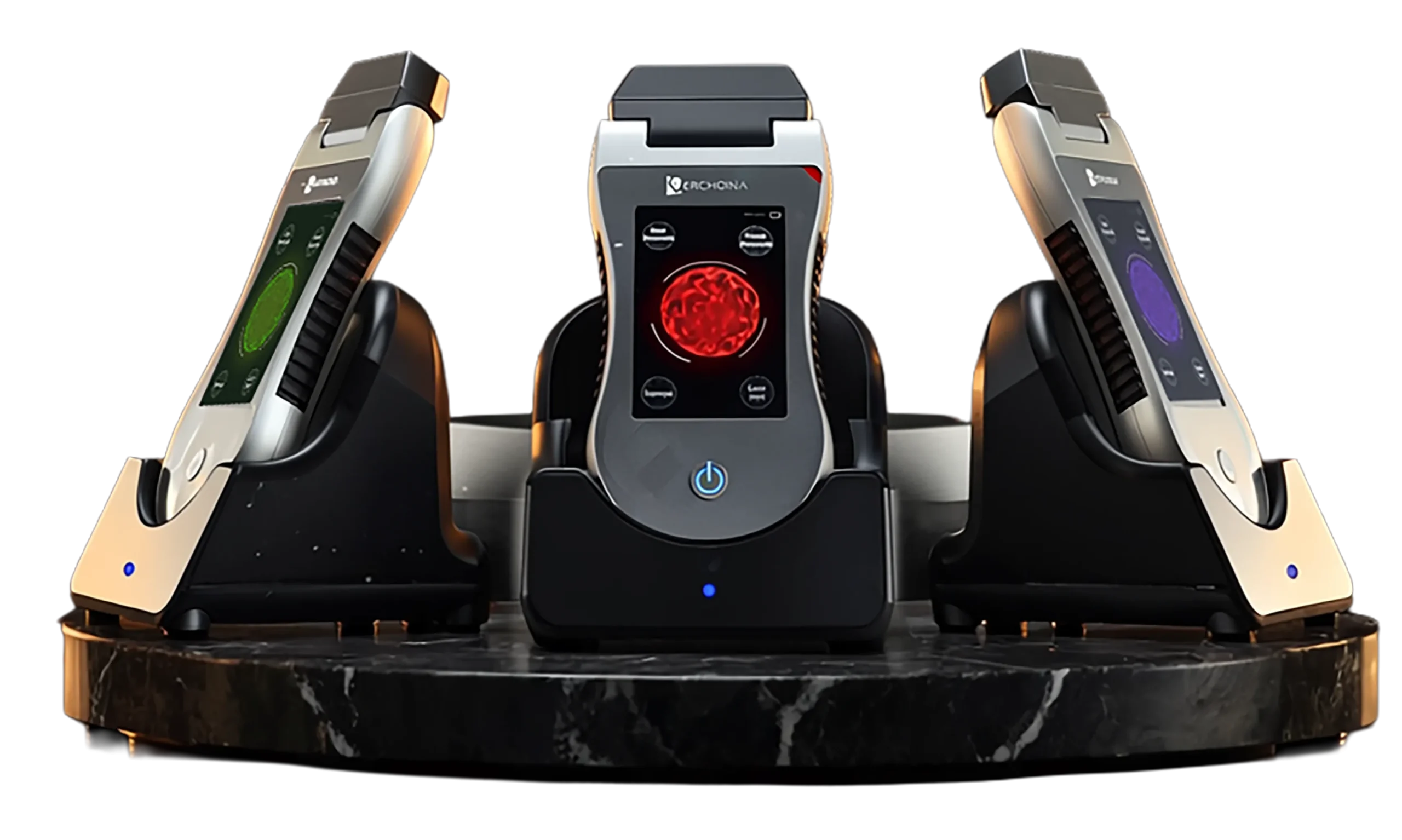
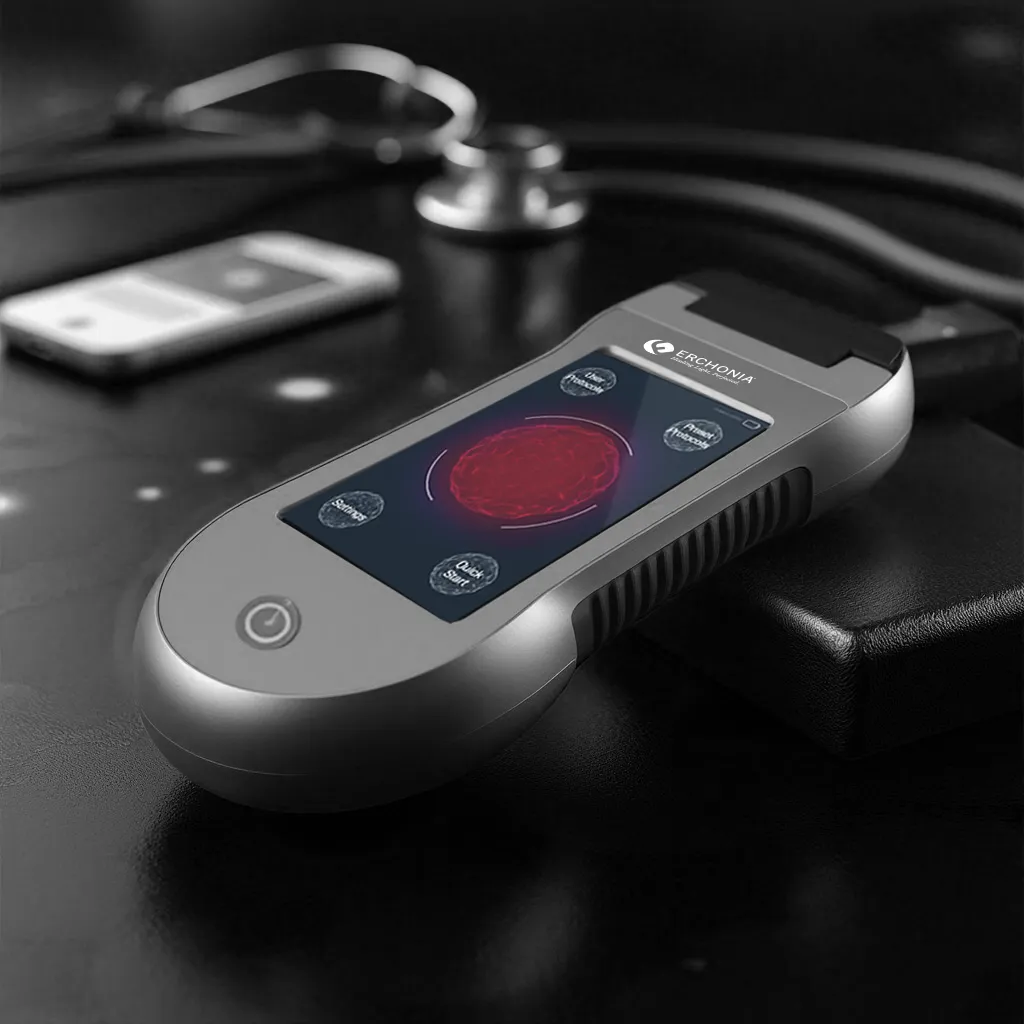
HLS – Duel Red
The Proven Foundation in Veterinary Photobiomodulation.
Built on Erchonia’s established 635nm red wavelength platform, the HLS delivers non-thermal laser therapy for musculoskeletal comfort and mobility support in companion and performance animals alike. Reliable, precise, and easy to integrate into daily veterinary workflows.
Best for: foundational musculoskeletal and mobility-focused protocols in small and large animal practices.
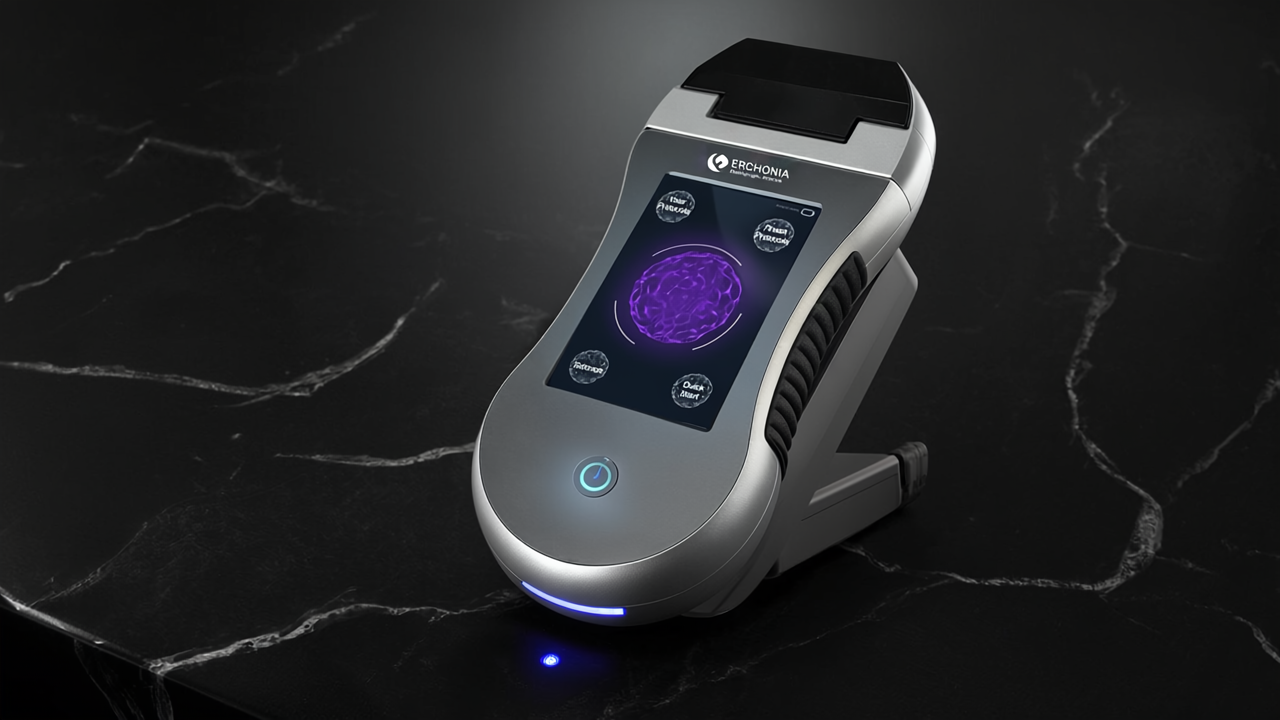
EVL – Red/Violet
Expanded Versatility in a Handheld Format.
The EVL combines red and violet wavelengths, allowing veterinarians to address musculoskeletal presentations while also supporting dermatological applications when appropriate. Compact and adaptable, it provides broader clinical flexibility within a single portable system.
Best for: clinics seeking dual-wavelength versatility for both mobility and skin-related applications.
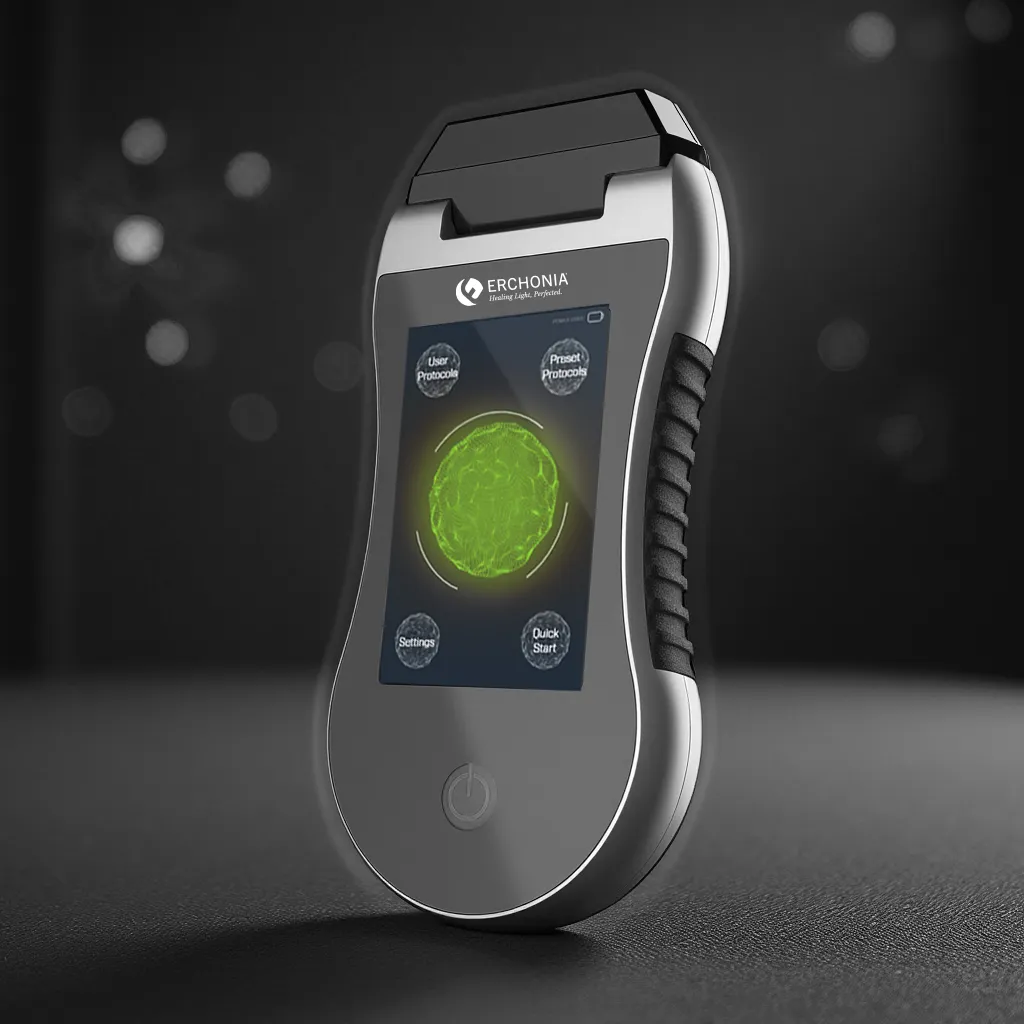
VGL – Green/Violet
Advanced Wavelength Precision for Performance & Recovery.
The VGL integrates Erchonia’s green and violet wavelengths, engineered to interact with mitochondrial pathways associated with cellular energy production. Designed for practitioners who prioritize performance, recovery, and measurable mobility outcomes without thermal contribution.
Best for: performance-focused, rehabilitation, and advanced veterinary care environments.
Case Studies:

Resolution of a Large Non-Healing Canine Wound
Source: AHVMA Journal, Fall 2013
Clinical Overview: A 13-year-old neutered male German Shepherd cross presented with a large, infected, non-healing wound over the left hip. The wound had failed to respond to 44 days of conventional surgical and medical therapy, including debridement, antibiotics, drains, suturing, and anti-inflammatories.
At the time laser therapy was initiated, the wound measured 18 cm × 15 cm, with significant pocketing (2–6 cm depth), limb edema, infection recurrence, declining body condition, and owner consideration of euthanasia.
Palliative Cancer Management in Companion Animals
Source: AHVMA Journal, Spring 2014
This publication documents four canine cancer cases managed with Erchonia’s frequency-specific laser system when surgery or chemotherapy was declined.
Case A: Retroperitoneal Soft Tissue Sarcoma
A 9-year-old Labradoodle presented with a large infiltrative abdominal mass strongly suspected to be sarcoma.
Outcome:
- Initial tumor stabilization
- Periodic regression
- Improved mobility and appetite
- Maintained quality of life for over 18 months
- Multiple documented temporary tumor size reductions
Laser therapy was used as a palliative approach and appeared to slow progression while maintaining comfort.
Accelerated Healing of Equine Distal Limb Wounds
Source: Veterinary Practice News, Oklahoma State Study
Clinical Overview: Distal limb wounds in horses are notoriously slow to heal due to poor vascularity and excessive granulation tissue (“proud flesh”).
The Oklahoma State University study evaluated the use of low-level laser therapy on full-thickness equine metacarpal wounds.
Easy Ways To Utilize The Laser.
Learn more about how easy it is to use an Erchonia laser for a variety of treatment conditions.
Think These Lasers Are Too Good To Be True? We Get It.
Reach out to us for a 1:1 demo, Q&A, clinical research, and more!