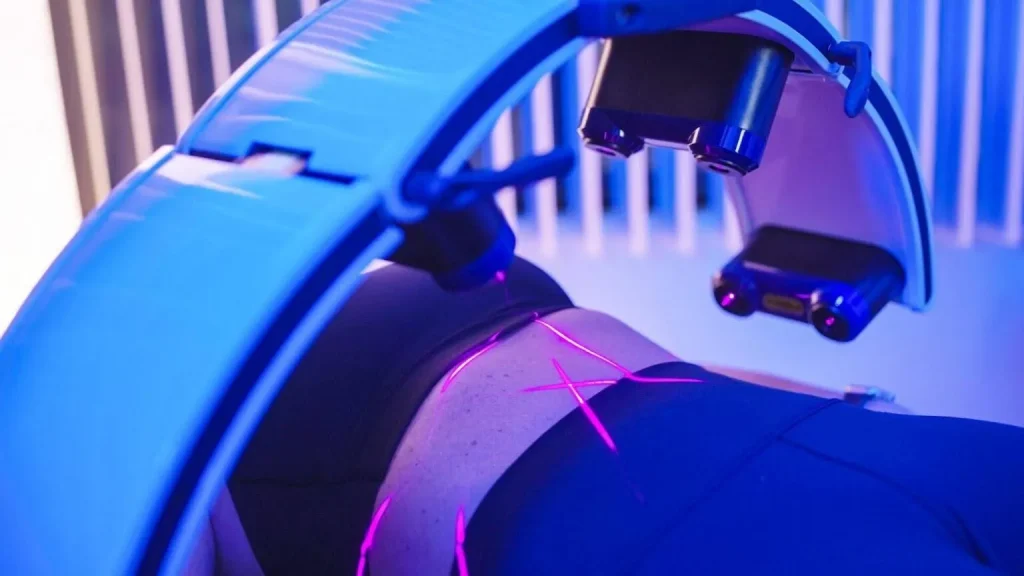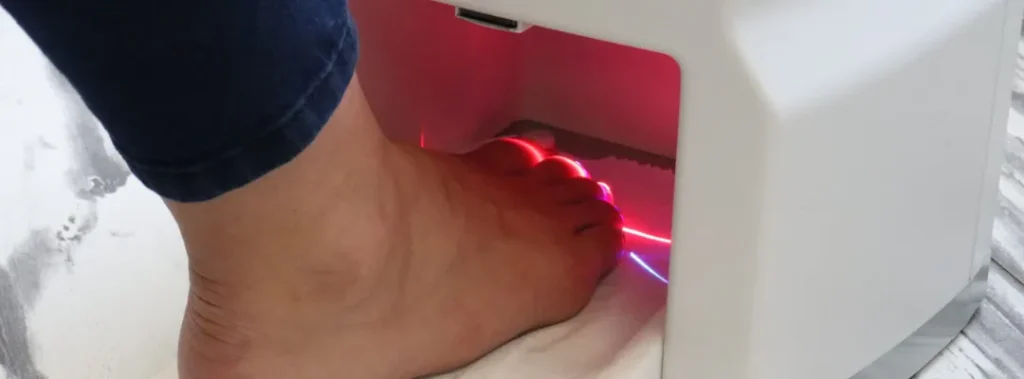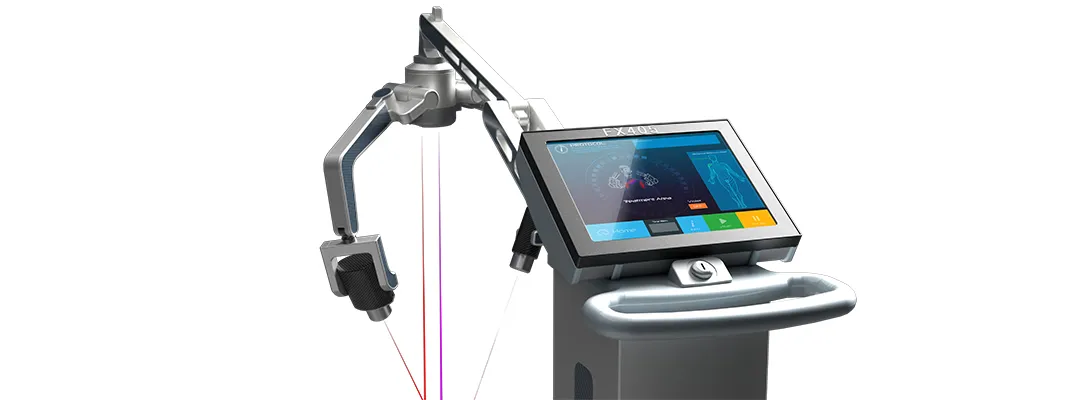
Inflammation is one of the top causes behind the chronic pain many U.S. citizens struggle with in their daily lives. Whether it be from injury, infection, or an overreaction by the immune system, finding non-invasive treatment methods could be of interest to medical professionals across a multitude of different practice areas.
In today’s blog post, we’ll dive into how low-level laser therapy (3LT®) could be a solution to inflammation problems and why you should consider investing in a 3LT® device for your practice.
Laser Therapy for Pain and Inflammation: Updated Insights
Inflammation gets a bad reputation, but it’s actually part of how your body heals. The problem is when inflammation sticks around too long (or flares too often). That’s when you may notice persistent swelling, stiffness, heat, and pain that just won’t let up.
If you’re looking for a drug-free, non-invasive way to support the body’s natural recovery process, low-level laser therapy (LLLT), also called photobiomodulation (PBM) or cold laser therapy, is gaining attention for a simple reason: it may help calm inflammatory activity and support pain relief at the same time.
In this updated guide, we’ll break down how laser therapy may help reduce inflammation and pain, what the research says (including newer studies), and what to expect if you’re considering treatment.
What is Inflammation?
As physicians and practitioners know, inflammation is a natural immune response to injury or infection. The swelling is caused by a fluid containing extra white blood cells which can remove debris and other infection-causing bacteria. The process is meant to protect your body from re-injury.
When inflammation triggers and then later reduces, it is known as acute inflammation. When inflammation does not dissipate after healing is complete, it can lead to other serious health concerns.
Defined as inflammation lasting three months or more, chronic inflammation is behind much of the chronic pain that as many as 50 million U.S. adults experience in their daily lives.
In addition to the discomfort brought on by the swelling, the prolonged immune response also means an excess of white blood cells remains at the site of infection or injury. These white blood cells can throw off free radicals, which can damage healthy blood cells.
Pain and inflammation: Why they’re so closely connected

Inflammation is the body’s “repair crew.” After an injury (or irritation), your immune system releases chemical messengers, often called inflammatory mediators, that help protect tissue and start the healing process.
But those same messengers can also make nerves more sensitive. That’s why inflammation and pain often show up together. When inflammation increases, pain signals can ramp up. When inflammation settles down, pain often becomes easier to manage.
Common situations where this cycle shows up include:
- Arthritis (joint swelling, stiffness, and movement-related pain)
- Tendon and overuse injuries (like tennis elbow)
- Sports injuries (sprains, strains, and repetitive stress)
- Post-activity flare-ups (where tissues feel hot, tight, or puffy afterward)
What is “cold laser” therapy (LLLT / photobiomodulation)?
Cold laser therapy uses low-intensity light, typically in the red or near-infrared range, to stimulate biological activity in cells. Unlike surgical lasers, LLLT is non-thermal (it doesn’t cut or burn). Instead, it’s designed to encourage natural processes related to healing, circulation, and inflammation control.
You may also hear it called:
- Low-level laser therapy (LLLT)
- Photobiomodulation therapy (PBM / PBMT)
- Cold laser therapy
The name changes, but the concept is the same: light energy is delivered to targeted areas to support cellular function.
How laser therapy may help reduce inflammation and not just “mask” pain
One of the most interesting areas of PBM research is its ability to influence the body’s inflammatory signaling, especially in tissues that are irritated, overworked, or healing.
Here are a few of the most commonly cited mechanisms:
1) It supports cellular energy (ATP) through mitochondria
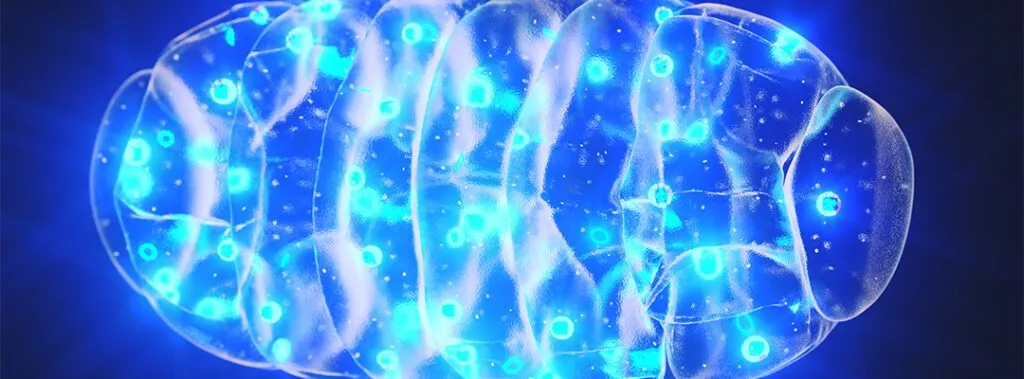
PBM is often described as working “from the inside out.” Light interacts with cellular components (including mitochondria), which can support ATP production, the energy cells use to repair, restore, and regulate normal function.
2) It may help regulate inflammatory pathways like NF-κB
NF-κB is a major “switchboard” pathway involved in turning inflammation on and off. In pro-inflammatory conditions, photobiomodulation has been shown to suppress NF-κB activation, which can lead to lower production of pro-inflammatory cytokines such as TNF-α, IL‑1β, and IL‑6.
3) It may reduce pro-inflammatory cytokines and support anti-inflammatory signaling
Research also suggests PBM can shift immune activity in a more balanced direction—often reporting decreases in pro-inflammatory cytokines (like TNF‑α and IL‑1β) while increasing anti-inflammatory mediators (like IL‑10 and TGF‑β) in certain contexts.
4) It may help reduce swelling and sensitivity by calming inflammatory “messengers”
Inflammatory cytokines don’t just cause swelling, they can sensitize nerves and intensify pain. For example, TNF‑α is known to contribute to pain mechanisms by sensitizing nociceptors and influencing other inflammatory mediators. That’s why reductions in TNF‑α are often discussed as a meaningful “inflammation → pain” link.
What recent research shows (2022–2025 examples)
Arthritis example: knee osteoarthritis with swelling
In a 2022 open-access study of older adults with moderate knee osteoarthritis and suprapatellar bursitis, researchers reported improvements in knee function along with decreases in synovial fluid volume and reductions in synovial fluid proteins associated with inflammation following a series of low-level laser treatments.
Why this matters: swelling and inflammatory chemistry inside a joint can strongly influence stiffness and pain. Studies like this help connect PBM to measurable inflammation-related changes—not just symptom scores.
Sports/overuse injury example: lateral epicondylitis (tennis elbow)
A 2025 multicenter randomized, placebo-controlled trial reported that photobiomodulation therapy combined with a static magnetic field led to significant reductions in pain intensity and decreased serum TNF‑α levels compared with placebo, supporting an anti-inflammatory mechanism as part of its pain-relief effect.
Why this matters: TNF‑α is a key pro-inflammatory cytokine involved in sustaining inflammatory responses and can play a role in pain sensitization—so changes in TNF‑α are a meaningful “objective marker” alongside how a patient feels.
How Does Laser Treatment for Pain & Inflammation Work?
From minor injuries and post-surgery recovery to chronic inflammation and pain, there is no shortage of opportunities for laser therapy treatment for pain and inflammation. This treatment method is also known as phototherapy or photobiomodulation.
The science behind laser therapy hinges on providing energy to your cells, specifically the mitochondria. By providing your cells with energy from the laser light, the cells become more active. This takes advantage of the natural healing power of the human body. By simply enhancing the natural healing process, there are little to no side effects of laser light therapy. This, in addition to its non-invasive nature, makes laser therapy treatment a perfect tool to treat inflammation and pain.
What Conditions Benefit the Most from Laser Treatment for Pain & Inflammation?
Post-Surgery Recovery
While laser therapy can be used in place of invasive surgeries, sometimes surgery is unavoidable. Laser treatment can be a useful tool in aiding the recovery process. Much of the recovery time for surgery is managing inflammation as it dissipates. The reason for surgery plus the surgery itself can aggravate the immune system.
Using laser therapy following surgery can speed up this process, allowing patients to restore their range of motion and reduce any pain they may feel following their operation.
Recovery from Injury
Outside of surgery, another short-term inflammation problem 3LT® can help with is reducing pain post-injury.
Similar to what was said above, keeping inflammation to a minimum can aid in the recovery process. In the case of physical therapists, building strength after injury (to prevent injury from reoccurring) is vital, but can be hindered if there is excess inflammation.
Back Pain
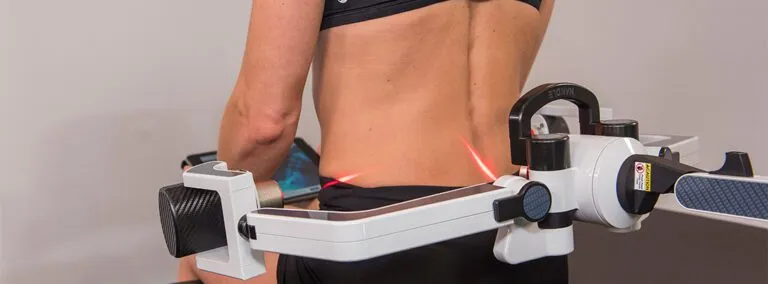
According to the National Institute of Health, roughly 80% of people will experience back pain at some point in their life. There are a variety of methods to treat back pain without surgery. However, 3LT® has shown to have some of the strongest, drug-free results. In addition to being non-invasive and drug-free, laser therapy treatment for pain and inflammation has also been shown to have long-lasting results. This is an ideal outcome for those with chronic back pain.
Arthritis & Tendonitis
Arthritis and tendonitis are other common instances of inflammation. Affecting the joints and tendons respectively, arthritis and tendonitis can severely limit the range of motion and fine motor skills of those afflicted. Common treatments heavily rely on prescriptions or over-the-counter treatment in order to manage pain. For those interested in reducing their medicine intake or those who do not find relief in medications, laser therapy is a promising solution.
How Your Practice Can Leverage Laser Treatment for Pain & Inflammation
As we’ve shown, laser therapy can be an excellent treatment option for those experiencing pain and inflammation. However, these patients can only access this type of treatment if their doctors or physical therapist carries a laser therapy device at their practice. Here is a summary of some of the top benefits your practice can provide with a laser therapy device:
- Non-invasive treatment or post-trauma therapy
- No side effects, for those worried about drug treatments
- No pain, which can reduce patient anxiety
- Short treatment times, allowing you to see more patients
- Treats both acute and chronic conditions
- Flexible treatment depending on laser head type
Inflammation is a natural immune response to infection or injury. If left unchecked, inflammation can cause other serious health problems such as chronic pain. Laser light therapy offers a non-invasive, alternative treatment to drugs and surgery, and can be used to treat a wide variety of conditions. If you regularly treat patients struggling with chronic pain and inflammation such as those with chronic back pain, arthritis, or tendonitis among other conditions, then providing laser light therapy will greatly benefit them. As a practice, you can leverage laser light therapy as a treatment for pain and inflammation to better treat a greater number of patients.
Contact Erchonia today to learn more about how our low-level laser therapy treatment can transform your practice.
Find a ProviderBecome a Provider
How Erchonia Low Level Laser Therapy Works
Frequently Asked Questions
Does laser therapy “turn off” inflammation completely?
No, healthy inflammation is part of healing. The goal is to help the body avoid an overactive, lingering inflammatory response.
How soon will I notice a difference?
Some people notice changes quickly (like easier movement), while others need several sessions. Your starting point, condition type, and treatment protocol matter.
Is it safe to use alongside other treatments?
Often, yes. Many providers combine laser therapy with mobility work, strengthening, manual therapy, and lifestyle strategies. Always confirm with your healthcare provider if you’re managing a medical condition.
Is there downtime?
Typically no. Most people return to normal activity right away (though your provider may recommend a short “recovery window” if you’re treating an acute injury).