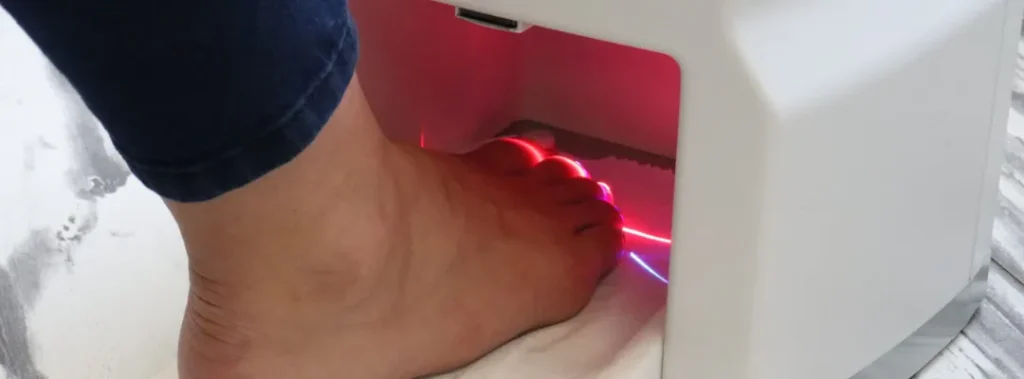
Body-contouring technology has progressed well beyond traditional liposuction. Today, individuals seeking fat reduction and improved shape have multiple options, including laser liposuction, cryolipolysis (popularly known as CoolSculpting), and low-level laser therapy. Although all aim to help reduce localized fat, their mechanisms, invasiveness, safety profiles, comfort levels, downtime, and results differ substantially. In this article we compare these three approaches and show how LLLT can serve as a non-invasive, pain-free aid to natural fat elimination without damaging tissue.
What Is Body Contouring?
Body contouring refers to a variety of cosmetic treatments designed to reshape, tone, or refine the body’s natural silhouette. These treatments focus on targeting stubborn fat deposits that often remain resistant to diet and exercise. While traditional surgical options like liposuction physically remove fat cells, today’s non-invasive body-contouring technologies use heat, cold, or light to reduce fat and improve overall appearance.
Modern body-contouring approaches are typically not designed for weight loss. Instead, they’re intended for localized fat reduction and body reshaping, helping patients achieve smoother lines, balanced proportions, and improved confidence.
Types of Body Contouring
Body-contouring procedures fall into two primary categories:
- Surgical (e.g., liposuction, tummy tuck): These physically remove fat or excess skin, offering dramatic results but requiring anesthesia and downtime.
- Non-surgical (e.g., laser lipo, CoolSculpting, LLLT): These rely on targeted energy (heat, cold, or light) to disrupt or shrink fat cells while leaving surrounding tissue unharmed.
Why Patients Seek Body Contouring
Most patients turn to body-contouring treatments for one or more of the following reasons:
- To target stubborn fat in areas like the abdomen, thighs, arms, or flanks
- To refine results after weight loss or pregnancy
- To avoid surgery while still seeing visible improvements in shape
The demand for non-invasive body-contouring continues to grow, as the global market is projected to exceed $3.9 billion by 2028, according to Grand View Research. Among these modern tools, laser lipo, CoolSculpting, and low-level laser therapy represent three of the most widely researched and trusted options.
Understanding Three Popular Fat-Loss Technologies
Laser Liposuction
Laser liposuction, sometimes called “laser-assisted lipolysis” (LAL), uses laser energy to liquefy fat cells before suction removal. A small incision is made, a laser fibre is inserted beneath the skin to apply heat, fat is melted, and then suction removes the melted fat. This process aims to reduce fat volume while improving skin tightness.
- Type of procedure: Minimally invasive surgical (incision + suction)
- Anesthesia: Local or general, depending on area and extent
- Down-time: Typically several days up to a week or more for bruising/swelling to subside
- Key value-proposition: Immediate fat removal, improved contour, and skin tightening, but involves procedure time, recovery, and surgical risks.
A recent review calls laser-assisted lipolysis a “promising alternative” to traditional liposuction, showing advantages in recovery time and skin retraction.
CoolSculpting
Cryolipolysis applies cold temperatures to fat tissue, freezing targeted adipocytes, triggering fat-cell death (apoptosis), and then the body naturally eliminates those dead cells over time. The widely known brand is CoolSculpting.
- Type of procedure: Non-invasive (no incisions, no suction)
- Anesthesia: None required
- Downtime: Minimal, many return to normal activities shortly after treatment
- Risks: Rare but documented risk of paradoxical adipose hyperplasia (PAH) in some patients
- Key value-proposition: Non-surgical contouring with minimal recovery; good for spot reduction but not weight loss
Studies show average fat layer/skinfold thickness reductions of about 10–28.5% in treated areas. According to CoolSculpting’s site, “On average each CoolSculpting session can reduce 20–25% of fat in the treated area.”
Low-Level Laser Therapy
LLLT uses specific low-intensity lasers (red, near-infrared, or green) to stimulate fat cells in place (i.e., without suction or freezing) to release their lipid contents, which the body then metabolises. With these treatments the cell remains intact but “empties”. Some of the best fat loss lasers on the market include Erchonia’s Emerald Laser™ using green low-level lasers, and the Zerona® VZ8 Laser featuring violet laser technology.
- Type of procedure: Non-invasive, non-thermal (in many cases) photobiomodulation
- Anesthesia: None required
- Downtime: None, patients often resume daily routines immediately
- Key value-proposition: Comfortable, non-destructive body-contouring aid that supports natural fat elimination
Clinical studies, including a double-blind, randomized, multi-site, and placebo-controlled study, show circumference reduction averaging a loss of 3.51 inches.
Comparing the Fat Loss Procedures Side by Side
Mechanism of Action
- Laser Lipo: Applies heat/laser to melt fat then physically removes it via suction.
- CoolSculpting: Applies cold (cryolipolysis) to destroy fat cells, which are then eliminated by the body.
- LLLT: Uses low-level emerald or violet light to stimulate fat cell lipids to release, leaving the adipocyte alive but shrunken, and the body’s lymphatic and metabolic systems remove the released fat.
Comfort & Safety
- Laser Lipo: More invasive. Requires incision and suction; post-op discomfort or pain, bruising, swelling are expected. Risks include infection, burns, contour irregularities.
- CoolSculpting: Much less invasive. Discomfort during treatment (cold sensation, tugging) possible, and numbness or tingling may persist temporarily. Overall safety profile is good, though paradoxical adipose hyperplasia remains a rare but serious side-effect.
- LLLT: Among the most comfortable cool sculpting technologies. There is no pain or downtime and no reported side-effects. Because the approach does not kill cells or traumatize tissue, the risk of complications is low.
Downtime & Recovery
- Laser Lipo: Recovery time is variable. Patients may need days to weeks of limited activity, bruising and swelling moderate to significant.
- CoolSculpting: Very minimal downtime. Most patients return to normal activities almost immediately; some soreness or numbness may linger.
- LLLT: Essentially zero downtime or discomfort. Patients can have a 30-minute session and return to their routine immediately.
Results & Maintenance
- Laser Lipo: Because fat is physically removed, results are quicker and more dramatic than non-surgical alternatives. Final contour typically seen at 1–3 months once swelling resolves. However, weight gain can still offset results if lifestyle is not maintained.
- CoolSculpting: Results are gradual. Fat-cell death occurs and the body removes these cells over weeks to months (often 2–3 months before full effect). The typical fat reduction per session is ~20-25% in the treated area. However, this is not weight-loss, it’s selective fat reduction.
- LLLT: Results appear after a series of sessions (e.g., six treatments). With Erchonia’s fat loss lasers, average circumference loss is ~6 inches / 15.24 cm over six treatments. The benefit is gradual and sustainable when combined with good habits. Because adipocytes remain alive (but reduced), lifestyle remains critical.
Why Choose Low-Level Laser Therapy for Fat Loss?
Given the above comparisons, you may ask: why consider LLLT at all? Here are the advantages in context:
- Truly non-invasive: No incisions, suction, cooling paddles, or destruction of fat cells.
- Pain-free: Without anesthesia or significant discomfort, the patient experience is high.
- No tissue-damage, no cell death required: The adipocyte remains structurally intact yet reduced. This avoids the burden of clearing cellular debris and may reduce inflammatory response. LLLT does not induce apoptosis, and thus, there is no up-regulation of pro-inflammatory cytokines nor large burden placed on the lymphatic system.
- Supports natural elimination: The released fat (triglycerides/liquid) is processed by the body’s lymphatic and metabolic systems, aligning with natural physiology.
- Ideal for patients who want minimal disruption: Those who cannot or prefer not to undergo more invasive treatments may find LLLT appealing.
In short, while laser liposuction and CoolSculpting offer stronger and more immediate reductions in fat, LLLT offers a gentler, patient-friendly contouring aid that fits into daily life and supports the body’s natural mechanisms. It’s particularly useful for those seeking body sculpting rather than intensive fat removal.
Choosing the Right Body Contouring Approach for You
If you are looking for the most dramatic fat removal and are willing to accept surgery and recovery time, laser lipo may be appropriate. If you prefer non-surgical and are okay with modest reductions, CoolSculpting is proven. If your priority is comfort, zero downtime, and a gentle body-sculpting aid that aligns with natural physiology, LLLT may be the best fit.
When evaluating fat-loss and body-contouring technologies, it’s essential to set realistic goals: none of these treatments substitute for lifestyle change (diet + exercise). They are adjuncts to improve contour, reduce localized fat, and enhance shape.
For those who are cautious about surgery or have busy lives, LLLT offers a compelling non-invasive aid to fat loss: comfortable, no downtime, minimal risk – all while supporting the body’s own elimination processes.